- Valley Recap
- Posts
- The Data Center Capacity Crisis is Here💰 Bay Area Startups Collectively Secured $15B+ 🐣 Super Early Birds for AI INFRA SUMMIT 🎅🏻 Happy Holidays 🎄
The Data Center Capacity Crisis is Here💰 Bay Area Startups Collectively Secured $15B+ 🐣 Super Early Birds for AI INFRA SUMMIT 🎅🏻 Happy Holidays 🎄

In partnership with


🏗️ The Data Center Capacity Crisis is Here.
Author: Gregg Scharfstein, Infracore
The data center market does not feel like it is going through a temporary squeeze. It feels different at a basic level, more constrained and less forgiving. A few years ago, most requests still sat in a range that allowed some flexibility. Five megawatts was common. Ten was notable. Today, initial conversations routinely start at ten or twenty megawatts, with clear expectations that those numbers will increase.
Many buyers already know where they want to end up, even if they are unsure how to get there or how long it will take finding usable capacity has become its own problem. Buyers are working through multiple brokers and comparing availability lists that look comprehensive until they are cross checked line by line. The same facilities show up under different names, often with slightly different assumptions attached.

Time goes into calls, site visits, and spreadsheets, only for the same issues to surface. Power is not actually secured. Cooling designs do not support current density requirements. Some sites technically exist but sit in locations that fail latency, regulatory, or staffing constraints. When a site remains open, there is usually a reason that becomes obvious during diligence, sometimes within the first few technical questions.
Utility timelines have stretched far beyond what most deployment plans assumed. Power delivery that once took two years now regularly runs three or more. Transformer availability is inconsistent and hard to predict. Substation upgrades push schedules out to the end of the decade. These delays are not unusual anymore. They are part of nearly every serious discussion. In an environment where speed matters, waiting years for grid power removes entire opportunities from consideration and forces uncomfortable tradeoffs.
How capacity is used has changed as well. Inference workloads, edge use cases, and data sovereignty requirements have narrowed where deployments can realistically happen. Broad geographic flexibility disappears quickly once latency, compliance, and workforce access are accounted for. What sounds flexible at the start often becomes highly constrained within a few weeks of planning, sometimes after resources have already been committed.
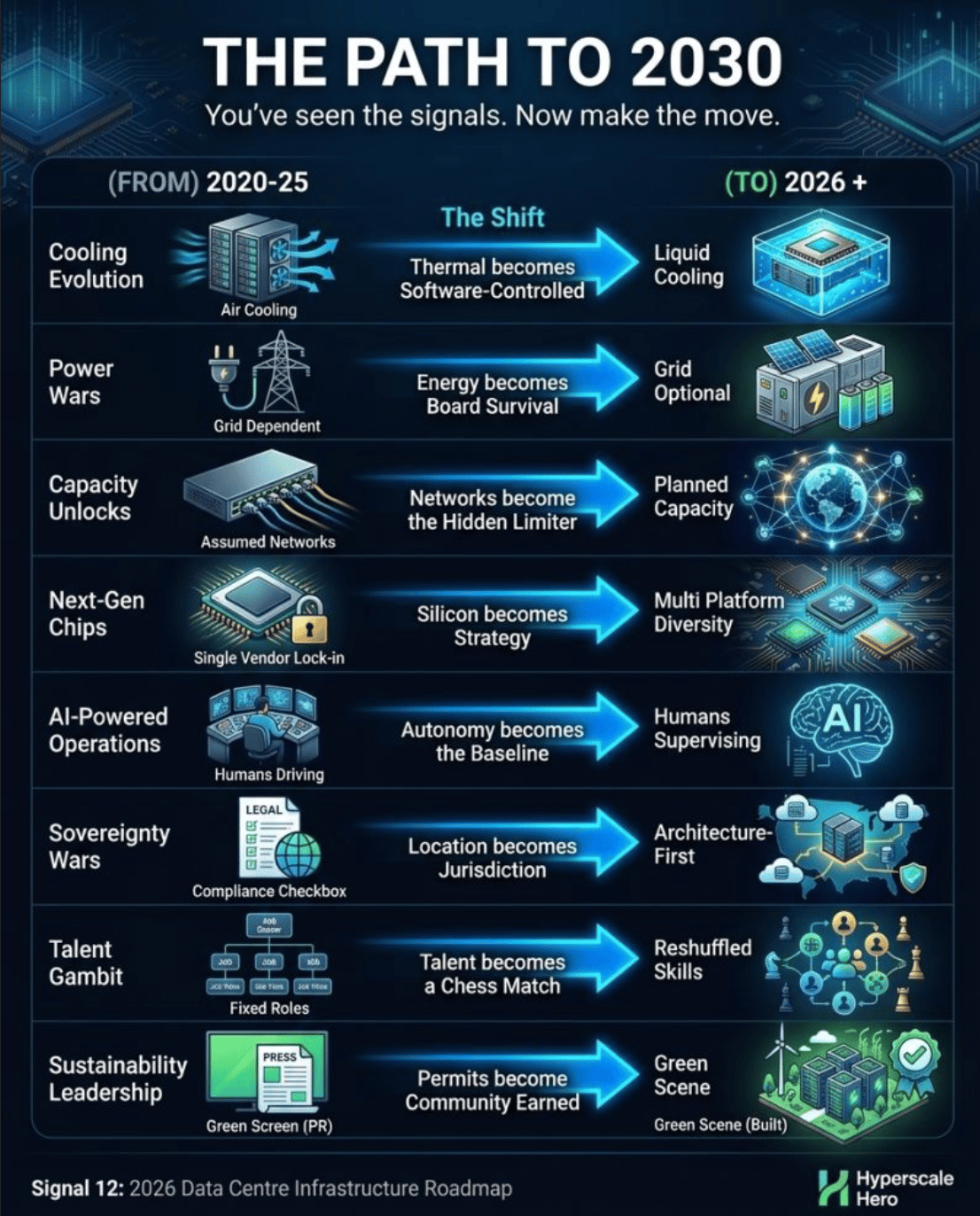
Speed now includes everything that happens before construction. Months spent searching followed by a year or more of build time means long stretches where hardware sits unused. Revenue projections slip. Market windows close. Teams lose momentum internally while waiting for external dependencies to resolve. These costs rarely show up cleanly in early models, but they are felt later, often after decisions can no longer be reversed.
As a result, more teams are looking toward existing buildings and alternative power arrangements. Brownfield facilities in well connected areas reduce uncertainty and remove layers of dependency. Behind the meter power avoids long utility queues and simplifies scheduling risk. InfraCore is seeing demand for these approaches because they allow projects to move from contract to operation in under a year, sometimes closer to half that.
The capacity shortage is shaping decisions already being made. Success over the next cycle will not come from having the most options on paper. It will come from securing capacity that actually works, in locations that support deployment realities, and committing before delays compound.



Upcoming Events


Bay Area Startups Collectively Secured $15B+ in December Week 4
The frenetic pace of funding slowed down this week in the two days before the holidays kicked in. The $15B strategic investment in Anthropic by Nvidia and Microsoft spiked December's total to $20.59B.
Exits, M&A: The pace of tech acquisitions is more than 2X that of 2024 in numbers and in dollars. ServiceNow's $7.75B acquisition of Armis was the 7th billion-plus acquisition of a local company in December. Those seven acquisitions total more than $29B, a shot in the arm for investor, employee and founder liquidity.
Acquisitions in the AI sector have been muted in 2024 and 2025, with multiple potential acquisitions replaced by “reverse acqui-hires”. The latest of these is reportedly Nvidia paying ~$20B to license competitor Groq's AI chip technology and hiring Groq's CEO and senior execs. They did a similar deal in September with Enfabrica, avoiding the regulatory scrutiny expected in acquiring the companies. Like other reverse acqui-hires, the companies and remaining employees are left to pivot, having been stripped of their talent and the exclusive right to the technology they developed.
For startups raising capital: Stay on top of who's raising, who's closing and who's investing with the Pulse of the Valley weekday newsletter. Click through to get more detail on investors and executives, including email addresses for both. Founders get the newsletter, database and alerts for just $7/month ($50 value). Check it out and sign up here.
Early Stage:
AIO closed a $17M Series A, AI platform for restaurants that seamlessly integrates order and pay devices with marketing, staff and inventory management while automating back-office operations and accounting.
Known closed a $9.5M Seed, intelligence for real life connections, starting with dating.
Dazzle AI closed a $8M Seed, closing the gap between what people want and what they can do with AI.
Internet Backyard closed a $4.5M Pre-Seed, automates quoting, billing, payments, and financial workflows for compute providers.
Drafted closed a $1.6M Seed, designs your dream home instantly with AI.
Growth Stage:
Anthropic closed a $15B Series Unknown, an AI safety and research company developing AI systems that are helpful, honest and harmless.
Kargo closed a $42M Series B, creating a universal interpreter for supply chains by using computer vision to connect the physical world of freight to the digital systems that manage it.

Novos Power is an energy technology company focused on low-cost, low-carbon power solutions for industrial and data center applications. The company develops modular power systems that can supply reliable electricity while reducing overall energy costs and environmental impact.
What Novos Power Delivers
• Integrated power plants that produce electricity at competitive, industrial-scale rates
• Low-carbon energy solutions that help companies reduce emissions
• Scalable systems designed for high-demand workloads, including compute and critical infrastructure
• A modular approach that accelerates deployment and minimizes construction risk
Why It Matters
Energy costs and carbon intensity are key challenges for industries with heavy power demand, such as AI infrastructure and manufacturing. Novos Power’s systems provide a viable alternative to traditional grids, helping organizations control costs and improve sustainability.

Who It Serves
Data centers, industrial operations, energy buyers, and organizations seeking dependable, cost-competitive, and cleaner power.
Novos Power delivers energy solutions to support high-growth technology and industrial ecosystems.
Your Feedback Matters!
Your feedback is crucial in helping us refine our content and maintain the newsletter's value for you and your fellow readers. We welcome your suggestions on how we can improve our offering. [email protected]
Logan Lemery
Head of Content // Team Ignite
Introducing the first AI-native CRM

Connect your email, and you’ll instantly get a CRM with enriched customer insights and a platform that grows with your business.
With AI at the core, Attio lets you:
Prospect and route leads with research agents
Get real-time insights during customer calls
Build powerful automations for your complex workflows
Join industry leaders like Granola, Taskrabbit, Flatfile and more.